

What is Rooftop Solar & Why Does it Matter?
Rooftop solar (RTS) unlocks distributed, low-cost renewable power for households, commercial buildings, and industries. It reduces grid dependence, lowers power bills, and enables corporates to meet RE100 and ESG targets.
For India, RTS is both a climate solution and an energy access enabler, with potential to scale rapidly given falling module costs, net-metering policies and corporate decarbonisation demand.
Thus, this sector is having significant tailwinds from both policy and corporate economic sectors.
Why Act Now — Leadership Highlights
- Rapidly scaling segment led by C&I users seeking energy cost reduction, reliability, and sustainability compliance
- Attractive economics with competitive LCOE vs. grid tariffs in many states, improving payback profiles
- Rising adoption by creditworthy offtakers (warehouses, IT parks, retail chains)
- Policy tailwinds and net-metering / behind-the-meter frameworks expanding addressable market
- Scope for platform plays aggregating assets across multiple sites for scale and refinancing optimization
Where Does the Opportunity Lie?
The rooftop solar value chain spans manufacturing to end-user services. The most attractive opportunities with the highest margins and stickiness lie in system integration, project development, and long-term O&M — especially through RESCO and PPA models.
Raw Materials & Polysilicon
Upstream commodity; largely China-dominated. High capital intensity, low India opportunity currently.
Cell & Module Manufacturing
Growing under PLI scheme. TOPCon, Mono PERC, HJT transitions underway. Scale-sensitive.
System Integration & EPC
Design, procurement, installation. Growing demand for high-quality turnkey solutions. Strong margin potential.
Project Development & Finance
RESCO/PPA project origination, financing structuring, asset aggregation. Long-term, recurring revenue.
O&M & Asset Management
Performance monitoring, predictive maintenance, yield optimization. 20-25 year asset life creates long customer relationships.
Energy Services & Digital
EMS, demand response, virtual net metering platforms, carbon accounting. Emerging, high-growth layer.
Customer buys system outright. Developer earns EPC margin + O&M fees. Best for creditworthy buyers with capital.
Developer owns asset, sells power at fixed tariff below grid rate. Long-term cash flows, scalable across many sites.
Power purchase agreement with corporate offtakers meeting RE100 targets. Premium pricing, ESG certification value.
Categories of Rooftop Solar Solutions
From panel technology to market segment, rooftop solar encompasses a rich variety of product configurations. Understanding these categories is key to matching the right solution to each opportunity.
By Solar Cell / Module Technology
Mono PERC
Passivated Emitter & Rear Cell
- Currently dominant technology in India
- Good low-light performance
- Optimal cost-efficiency balance
- Well-proven, widely available
TOPCon
Tunnel Oxide Passivated Contact
- Next-gen, higher efficiency
- Lower degradation over time
- Gaining share rapidly in C&I
- Premium pricing, better ROI/sqm
HJT (Heterojunction)
Heterojunction with Intrinsic Thin Layer
- Highest efficiency among Si-based
- Very low temperature coefficient
- Ideal for space-constrained rooftops
- Higher upfront cost
By Market Segment & Customer Type
| Segment | Use Case | Business Model | Key Value Proposition |
|---|---|---|---|
| 🏢 Commercial C&I | Offices, malls, SMEs, warehouses | CAPEX / RESCO / PPA | Virtual net-metering, high daytime load factor, ESG goals |
| 🏭 Industrial | Factories, manufacturing, IT parks | CAPEX (captive), RESCO | Large contiguous roof, very strong economics with high consumption |
| 🏥 Institutional | Schools, hospitals, religious buildings | CAPEX, grants, OPEX | Energy cost savings, resilience for critical services, CSR alignment |
| 🏛 Government Buildings | Municipal, civic facilities | CAPEX (budgetary), PPP | Reduces public utility bills, demonstrates policy targets |
| 🌾 Agriculture | Solar pumps, farm sheds | CAPEX + subsidy, RESCO | Replaces diesel pumps, enables irrigation in off-grid areas |
| 🏘 Residential Apartments | Common areas, lifts, water pumping | CAPEX by society, OPEX | Reduces common charges, increases resale property value |
| ⚡ EV Charging / Mobility | Bus depots, metro, EV hubs | CAPEX, PPP, RESCO + BESS | Reduces operating cost, integrated peak shifting with storage |
Typical Project Sizes & Capital Required
Investment requirements vary significantly by segment, system size, and business model. Here is a guide to indicative CapEx levels across different project categories in the Indian market.
| Project Type | Typical Capacity | Indicative CapEx | Notes |
|---|---|---|---|
| Residential (Net-Metered) | 2–10 kW | ₹1 – 4.5 Lakh | Turnkey kits incl. structure, inverter, meter; subsidy-dependent under PM Surya Ghar scheme |
| Small C&I (Shops / SMEs) | 20–100 kW | ₹9 – 40 Lakh | Fast approvals; good ROI with strong daytime load; payback 4–6 years |
| Mid C&I (Warehouses / Factories) | 100–500 kW | ₹40 Lakh – ₹2.0 Cr | Popular RESCO/PPA segment; roof strength checks are critical; wheeling option available |
| Large Industrial / IT Parks | 0.5–5 MW | ₹2.0 – 18 Cr | Carports + elevated arrays unlock area; ToD tariffs favour self-consumption; best unit economics |
| RTS + BESS (C&I Backup / Peak Shave) | 50–500 kW + 100–1,000 kWh | ₹0.8 – 7 Cr | Shaves demand charges; resilience benefit; fire & controls specs key for BESS sizing |
| Campus / Institutional | 50–1,000 kW | ₹25 Lakh – ₹4 Cr | CSR / grant blends; weekend load profiles matter; hospitals need grid backup integration |
| Fuel Stations / Malls (Carports) | 30–300 kW | ₹20 Lakh – ₹1.5 Cr | Shade + power; branding value; EV-ready integration; high visibility ROI showcase |
| Community / Group Housing (VNM) | 100–1,000 kW | ₹50 Lakh – ₹3.5 Cr | Requires DISCOM support; billing allocation software; virtual net metering framework |
For C&I segments; residential can extend to 8–10 yrs without subsidy
For well-structured RESCO / PPA projects with creditworthy C&I offtakers
Standard module warranty; enables long-term contracted revenue and asset refinancing
Total Market Opportunity — Now & Future
India's rooftop solar market is entering a hyper-growth phase. Government targets, falling costs, and corporate sustainability commitments are converging to create a massive addressable market across segments.
Capacity Growth Trajectory (GW Installed)
Market Potential by Segment
C&I Rooftop
~40–50 GW addressable; fastest-growing with RESCO models; creditworthy offtakers drive bankability
Residential
~30 GW govt. target via PM Surya Ghar; subsidy-driven; high volume, lower per-project margin
Agriculture
~15–20 GW potential via PM KUSUM; replaces diesel pumps with long-term benefits
Government / PSU
~10 GW mandated installations; CPWD targets; procurement via GeM and EPC contracts
Core Technologies in Rooftop Solar
A rooftop solar system integrates multiple layers of technology — from photovoltaic conversion to power conditioning, storage, and digital monitoring. Understanding these building blocks is essential for sourcing, quality control, and differentiation.
Solar Modules
Converts sunlight to DC electricity. Technology choices include Mono PERC, TOPCon, HJT, and Bifacial modules. Module quality, degradation rate, and warranty terms are critical procurement criteria.
Inverters
Converts DC power to grid-compatible AC. Types: string inverters (standard), micro-inverters (panel-level), and central inverters (large systems). MPPT efficiency matters greatly.
Battery Storage (BESS)
Lithium-ion (LFP preferred for safety and cycle life) storage for time-shifting, backup, and peak demand shaving. Increasingly combined with solar for 24/7 power.
Mounting Structures
Rooftop fixing systems — ballasted, penetrating, or carport. Roof load analysis, wind & seismic calculations, and waterproofing are structural engineering essentials.
Monitoring & SCADA
Real-time performance monitoring, yield analysis, fault detection, and remote O&M. Connects plant data to asset management platforms for portfolio-level insights.
Grid Integration
Net meters, bi-directional metering, DISCOM protection relay schemes, and grid interconnection agreements. Net metering and virtual net metering policy frameworks define export economics.
AI & Software Platforms
AI use-cases: anomaly detection, degradation prediction, load optimization, demand-charge management, PPA billing automation. Digital stack unlocks yield improvement + contract transparency.
EPC Process
Site survey, shadow analysis, structural assessment, design, DISCOM approvals, installation, commissioning, and testing. Quality of EPC execution determines long-term yield.
Prominent Indian & Global Players in India
The Indian rooftop solar market features a mix of large integrated players, specialist developers, and global module manufacturers. Understanding the competitive landscape is essential for positioning and partnership strategy.
🇮🇳 Indian Players
Adani Green Energy / Adani Solar
Largest integrated player; module manufacturing + C&I RESCO projects at scale
IntegratedTata Power Solar
Manufacturing + EPC + RESCO; strong residential & institutional presence
EPC + MfgGreenko / Fourth Partner Energy
Large-scale RESCO/PPA for C&I; multi-site portfolio aggregation expertise
RESCO/PPAAmplus Energy (PTT Group)
Pioneer in C&I distributed solar; strong RESCO book across industrial clusters
C&I RESCOSunsure / CleanMax
Focused C&I RESCO operators with deep expertise in PPA structuring
RESCONavitas Solar / Waaree
Module manufacturers expanding into EPC and turnkey solutions for India
Module + EPC🌍 Global Players Active in India
LONGi Solar (China)
World's largest solar module manufacturer; aggressive pricing; Hi-MO TOPCon modules gaining share
Module SupplyJA Solar / JinkoSolar
Major module suppliers to Indian EPC market; TOPCon transition underway
Module SupplySunPower / Enphase (USA)
Premium residential micro-inverters; digital monitoring platforms for O&M
Inverter / TechSMA Solar / ABB (Europe)
Commercial & industrial string/central inverters; grid integration technology
InverterSoftBank Energy / Shell Energy
Investment into large C&I RESCO portfolios; bring global financing expertise
FinanceHavells / Growatt (Inverters)
Mid-market inverter brands gaining strong distribution in tier 2/3 Indian cities
Inverter Dist.Key Forces Shaping the Market
The rooftop solar opportunity is real and growing — but not without friction. Understanding both tailwinds and headwinds is critical for building a resilient market strategy.
✅ Key Growth Drivers
Falling Module Costs
Solar panel prices have dropped 85%+ over 10 years; system costs now ₹35–45/W for C&I, enabling paybacks under 5 years.
Net Metering & VNM Policy
MERC, KERC, and other state commissions expanding net metering limits; virtual net metering unlocks multi-meter industrial sites.
ESG & RE100 Mandates
Export-linked sectors (textiles, pharma, auto) and MNC facilities mandating renewable energy certificates and green power sourcing.
Government Schemes
PM Surya Ghar (residential 30 GW), PM KUSUM (agriculture), RDSS scheme, and Rooftop Solar Phase-2 provide direct demand impetus.
Rising Grid Tariffs
Commercial tariffs crossing ₹8–12/kWh in many states; solar LCOE of ₹2.5–4/kWh makes economics compelling and self-reinforcing.
Corporate Finance Liquidity
Green bonds, NaBFID, and multilateral DFI financing available for bankable RESCO/PPA structures with creditworthy C&I offtakers.
⚠ Key Challenges
DISCOM Resistance & Delays
Distribution companies slow-rolling net metering approvals; inconsistent state-level policy enforcement creates execution uncertainty.
Rooftop Structural Limitations
Aging industrial roofs may not support panel load; structural audits add cost and time; fragmented ownership in housing.
Payment Risk in RESCO Models
SME and MSME creditworthiness varies; collection risk in lower-ticket segments; need for credit enhancements.
Interconnection & Metering Complexity
DISCOM interface for bi-directional meters, protection schemes, and approvals varies widely by state and utility.
Module Quality & Import Dependence
BCD and ALMM impact module procurement; China supply-chain concentration; quality differentiation challenges in competitive bids.
Skilled Workforce Shortage
EPC quality depends on trained installation teams; shortage of certified solar technicians in tier 2/3 markets affects scale-up.
Cutting-Edge Innovations in Rooftop Solar
The rooftop solar space is rapidly innovating across module technology, business models, digital infrastructure, and integration with storage and mobility — unlocking new value pools.

Bifacial & TOPCon Modules
Bifacial modules capture rear-side reflected light (+10–20% yield). TOPCon delivers 22–24% efficiency. India's PLI scheme incentivizing domestic TOPCon manufacturing.

Solar + LFP Battery Systems
Lithium Iron Phosphate (LFP) BESS combined with rooftop solar for 24/7 power, peak shaving, and backup. Costs falling below ₹20,000/kWh enabling rapid adoption.

AI-Powered Asset Management
Machine learning for anomaly detection, degradation prediction, load optimization, demand-charge management, PPA billing automation. Digital twins of solar assets improving portfolio yield by 5–15%.

Solar-Powered EV Charging Hubs
Rooftop + carport solar integrated with EV charging infrastructure. Smart V2G (vehicle-to-grid) capability under development; enables load balancing and grid services revenue.
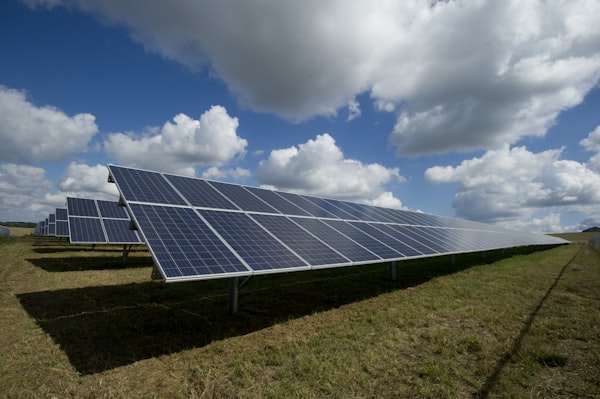
Portfolio RESCO & Aggregation Platforms
Digital platforms aggregating thousands of small rooftop assets into bankable portfolios for institutional refinancing. Virtual net metering software enabling multi-meter energy allocation.
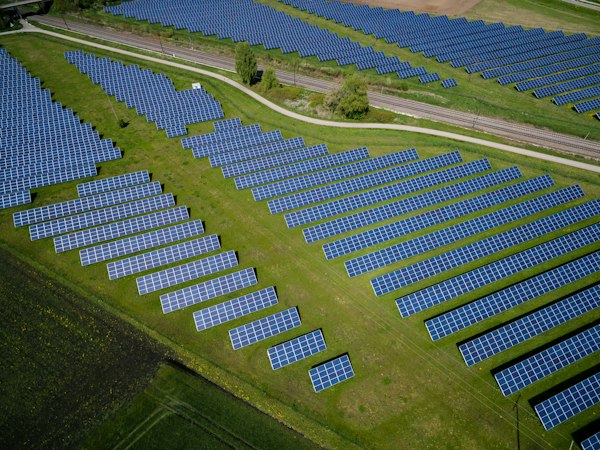
BIPV & Flexible Solar
Building Integrated Photovoltaics (BIPV) — solar glazing, roof tiles, and facades. Thin-film and perovskite technologies enabling curved, lightweight, and transparent solar installations.
Future Ecosystem Vision
The next evolution: Rooftop Solar + Energy Storage + EV Charging + Energy Management System (EMS) — creating grid-interactive C&I campuses that are net-zero ready and participate in ancillary services markets.
Digital Stack Competitive Edge
Winners will be differentiated by their digital stack: asset monitoring, predictive O&M, performance benchmarking, warranty analytics, forecasting, and automated PPA billing — unlocking yield improvement and contract transparency for financiers.
What Leaders Should Do Now
Rooftop solar is not just an energy procurement decision — it is a strategic business opportunity. Here are the critical management priorities for companies looking to enter or scale in this market.
Target C&I First
Prioritize commercial and industrial segments where economics, load profiles, and credit quality enable faster scale-up. Warehouses, IT parks, and manufacturing clusters are the ideal starting point.
Implement Diversified Business Models
Offer CAPEX, OPEX/RESCO, leasing, and Power Purchase Agreement (PPA) models to address different CFO and energy manager priorities. Flexibility is a competitive differentiator.
Build Strategic Partnerships
Collaborate with EPC providers, financing institutions, module/inverter suppliers, and O&M players to offer bundled, bankable delivery models. No single player wins alone.
Identify High-Potential Geographies
Focus on states with high grid tariffs, supportive net-metering policy, and industrial clusters — Maharashtra, Karnataka, Tamil Nadu, Rajasthan, and Gujarat offer the best near-term opportunity.
Prepare Rigorous Financial Models
Build project-level financial models covering CAPEX, OPEX, expected generation, tariff escalation, IRR, and payback periods for each segment and business model variant.
Invest in Technical Differentiation
Strengthen competitive moat through design optimization, performance guarantees, and digital monitoring platforms. After-sales capability and system reliability improve customer retention.
Secure Early Anchor Customers
Lock in industrial parks, commercial complexes, and residential communities as early adopters. Reference projects build credibility and pipeline for scale. Target creditworthy, logo-building clients first.
Prepare for Storage & EV Integration
The next growth wave integrates solar with BESS and EV charging. Build technical capabilities and partnership ecosystem now to capture these bundled, higher-margin opportunities as they emerge.
Ready to Capture the Solar Opportunity?
Track policy shifts across net metering, group/virtual models, and open access to identify the most profitable deployment pathways for your organization.
Explore the Full Report ↑